

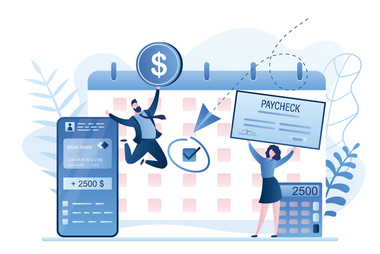
What to Know About Payroll: Have a Look for National Payroll Week
National Payroll Week runs this year from September 7-11. As PayrollOrg has said, it’s a chance to celebrate America’s employees and the payroll professionals who pay them. A long history There are a lot of fun facts about payroll we bet you didn’t know. Here are a few of them: The concept of payroll goes… View Article Read Entire Article
Money Market vs. High-Yield Savings Accounts
There are differences between Money Market and High-Yield savings accounts. Learn how they differ and which ones might be right for you.
Read Entire Article
Understanding the Tax Consequences of Canceled Debt
When you borrow money and are legally obligated to repay it, you have a debt. If a creditor later forgives that debt or agrees to accept less than the full amount owed, the unpaid balance is generally regarded as canceled debt. Cancellation can occur for various reasons, such as when a creditor formally forgives a… View Article Read Entire Article
Never Mind April 15: It’s Tax Time Now!
It’s halfway through the year, and the IRS advises it's a great time for taxpayers to do a quick check to make sure they’re on a smooth track to next filing season. Read their tips here.
Read Entire Article
Retirement: Redesigning the Third Act
Explore purpose in retirement to create a meaningful and rewarding Third Act.
Read Entire Article
Understanding Trump Accounts
Trump Accounts explained: these new tax-advantaged accounts are designed to help families build long-term savings for children. Learn how they work, who qualifies, and what to consider when deciding if they fit your financial plans.
Read Entire Article
Are Children Still Dependents After They Turn 17?
Child dependent after 17 rules can impact your taxes more than you think. Find out if you can still claim a dependent, what credits apply, and how IRS rules affect your situation. Understanding these details can help you avoid missed opportunities and make more informed tax decisions.
Read Entire Article
Travel and Expense Management Out of Control? Here’s How to Fix It
Still using paper receipts for business trips? Learn how travel and expense management QuickBooks tools can automate expense tracking, reduce errors, and simplify reporting for your accounting team.
Read Entire Article
How Taxes Can Affect Your Home Sale
Capital gains tax on home sale can significantly affect how much profit you keep when selling your property. Depending on how long you’ve owned the home and whether it qualifies as your principal residence, some or all of the gain may be taxable. Understanding the rules before listing your home can help you plan ahead and avoid surprises.
Read Entire Article